There is an ongoing spat over poultry trade between the U.S. and China.
This week, on September 30, the WTO announced its support of China's complaint against the U.S. section 727, which forbade USDA from implementing measures to allow imports of Chinese poultry to the U.S.
China conducted an antidumping investigation against imports of U.S. chicken into China as a tit-for-tat measure. China began the antidumping investigation about a year ago, accusing the U.S. of dumping poultry in China below the production cost. China's commerce ministry claimed that the imports were causing great harm to its industry. Countervaiing duties were assessed in February of this year.
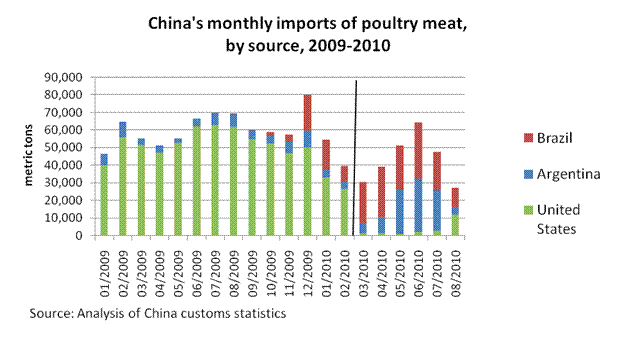
China's imports of U.S. poultry have mostly stopped since March of this year (see chart below). But imports from Brazil and Argentine immediately jumped to meet the demand in China. From January to August, China's imports of poultry from the United States dropped 355,000 metric tons, but imports from Brazil-Argentina jumped 230,000 metric tons. The fact is, demand for chicken feet and wings in China cannot be entirely met by Chinese producers.
(click on the chart to see a larger image)

Has the freeze-out of U.S. poultry helped Chinese producers? The chart below shows that domestic Chinese chicken prices surged temporarily in February, but weren't much different from last year until the last three months. Since July, both retail and farm prices of chicken have surged. However, the increase in retail chicken price of about 1.3 yuan/500g exceeds the increase in the farm price of about 0.9 yuan. The increase may reflect an untick in general food price inflation. By comparison, the retail price of duck (not affected by imports) increased less than the price of chicken. The increase in the duck price was about the same as the increase in the farm price of chicken.
(click on the chart to see a larger image)

The bottom line is that the restriction on imports of U.S. chicken has had a minor effect on the supply of chicken in China; most of the lost U.S. imports have been replaced with imports from Brazil and Argentina. If there has been an impact, it has been to raise Chinese consumer prices for chicken. The modest increase in farm-level chicken prices since July didn't help Chinese farmers much since feed costs have risen this year. The only possible beneficiaries of the antidumping action are poultry processing companies in China.
This week, on September 30, the WTO announced its support of China's complaint against the U.S. section 727, which forbade USDA from implementing measures to allow imports of Chinese poultry to the U.S.
China conducted an antidumping investigation against imports of U.S. chicken into China as a tit-for-tat measure. China began the antidumping investigation about a year ago, accusing the U.S. of dumping poultry in China below the production cost. China's commerce ministry claimed that the imports were causing great harm to its industry. Countervaiing duties were assessed in February of this year.
China's imports of U.S. poultry have mostly stopped since March of this year (see chart below). But imports from Brazil and Argentine immediately jumped to meet the demand in China. From January to August, China's imports of poultry from the United States dropped 355,000 metric tons, but imports from Brazil-Argentina jumped 230,000 metric tons. The fact is, demand for chicken feet and wings in China cannot be entirely met by Chinese producers.
(click on the chart to see a larger image)
Has the freeze-out of U.S. poultry helped Chinese producers? The chart below shows that domestic Chinese chicken prices surged temporarily in February, but weren't much different from last year until the last three months. Since July, both retail and farm prices of chicken have surged. However, the increase in retail chicken price of about 1.3 yuan/500g exceeds the increase in the farm price of about 0.9 yuan. The increase may reflect an untick in general food price inflation. By comparison, the retail price of duck (not affected by imports) increased less than the price of chicken. The increase in the duck price was about the same as the increase in the farm price of chicken.
(click on the chart to see a larger image)

The bottom line is that the restriction on imports of U.S. chicken has had a minor effect on the supply of chicken in China; most of the lost U.S. imports have been replaced with imports from Brazil and Argentina. If there has been an impact, it has been to raise Chinese consumer prices for chicken. The modest increase in farm-level chicken prices since July didn't help Chinese farmers much since feed costs have risen this year. The only possible beneficiaries of the antidumping action are poultry processing companies in China.
Comments